
Burlington-based writer covering Vermont's cannabis industry since 2023. Visits every licensed dispensary in the state, tests products, and reads the CCB rulebook so you don't have to.
The license that does (almost) everything
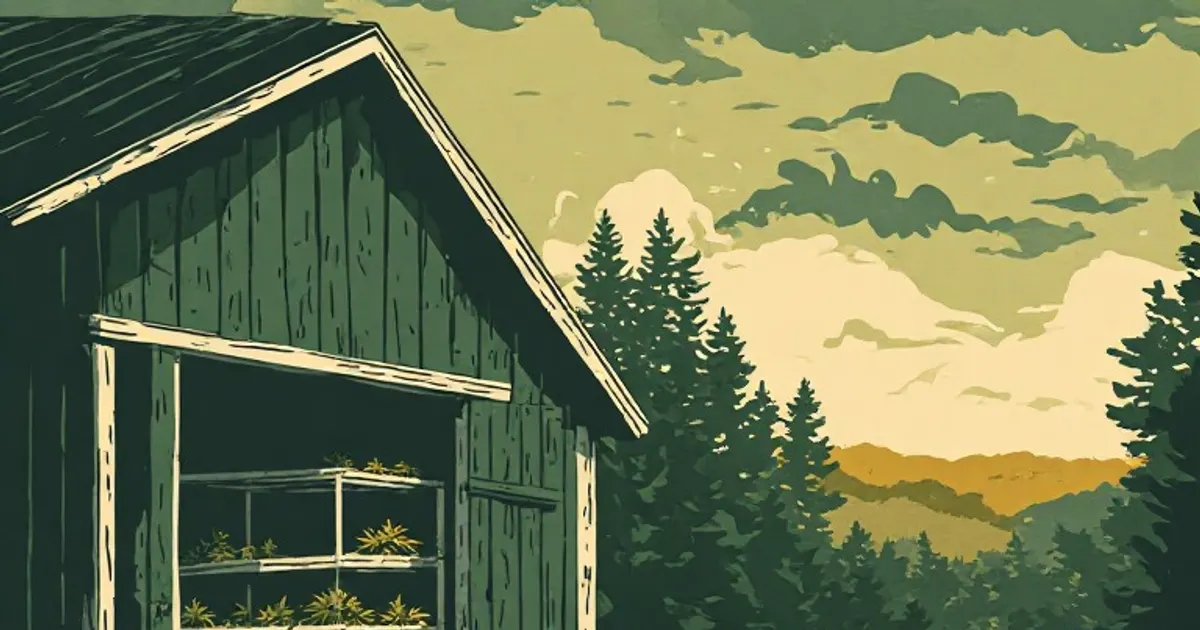
Most Vermont cannabis businesses pick a lane: you grow, or you process, or you sell. The state's tiered licensing structure was designed that way — separation of function, separation of liability, cleaner regulatory oversight. But one license category quietly scrambles that logic. Vermont's integrated license, issued by the Cannabis Control Board, allows a single operator to hold cultivation, manufacturing, and retail authority under one business entity. Seed to sale, one roof, one license holder.
That sounds simple. It isn't.
What the tiers actually mean
To understand what an integrated license unlocks, you need to understand what Vermont's tiered system separates by default. The CCB issues standalone licenses for cultivators (growing), manufacturers (processing raw plant material into finished products — concentrates, edibles, tinctures), wholesalers (moving product between licensed businesses), and retailers (selling to the public). Each tier carries its own application, its own fees, its own compliance obligations.
An integrated licensee holds all three primary production-and-sale tiers simultaneously. They can grow cannabis, run it through their own manufacturing operation, and sell the finished product at their own retail counter. They can also wholesale surplus inventory to other licensed businesses, or purchase from outside cultivators and manufacturers if their own supply falls short. In theory, they never have to touch the open wholesale market at all.
For context: most states that have legalized adult-use cannabis initially prohibited or sharply limited this kind of vertical integration, wary of a handful of operators consolidating the supply chain. Vermont chose a different posture — permitting integration while building in guardrails around canopy size, production volume, and ownership caps.
Why operators pursue it
The business case is straightforward. Every transaction between tiers is a margin event. When a standalone retailer buys finished goods from a wholesaler who sourced from a cultivator who sold to a manufacturer, each handoff carries a markup. An integrated operator internalizes those margins. They also control quality at every step — strain selection, cure protocol, extraction method, packaging — rather than inheriting whatever a third-party supplier delivers.
Brand consistency is the less-obvious benefit. A vertically integrated shop can build a house brand with a coherent identity: defined genetics, consistent potency windows, recognizable packaging. That's considerably harder when you're assembling a menu from six different wholesale partners on whatever terms they're offering that week. Vermont's craft cannabis scene has real potential for that kind of brand storytelling — the state's agricultural identity and reputation for quality sourcing translate naturally — and an integrated license is how you actually control the narrative.
If you're curious which Burlington shops are operating with vertical integration versus pure retail, the CCB's public license database is your best primary source. License type is public record.
The catch: it's expensive and complicated
Holding an integrated license doesn't mean any of this is easy. You are, functionally, running three businesses at once, each with its own compliance calendar, its own inspection regime, its own record-keeping requirements. The CCB expects meticulous seed-to-sale tracking at every stage. Cultivation operations require canopy licensing at specific tier levels. Manufacturing facilities need to meet security, ventilation, and sanitation standards that differ from what a retail floor requires. The capital requirements to build all of that out — especially if you're not converting an existing agricultural operation — are substantial.
There's also the question of focus. Some of the sharpest retail operators in Vermont have succeeded precisely because they didn't try to grow their own. Sourcing widely, building relationships across the state's cultivator base, and curating the best available product is itself a skill. An integrated license doesn't obligate you to use every tier — you can hold the license and operate primarily as a retailer while keeping cultivation and manufacturing capacity online for strategic purposes — but the overhead exists regardless.
That said, the economics of the Vermont market increasingly favor operators who can control their cost of goods. Wholesale cannabis prices have softened nationally as supply has matured, and Vermont is not immune to those pressures. Retailers who are also cultivators have a structural hedge against margin compression that pure-play shops don't.
What it looks like on the ground
Walk into a shop like Zenbarn Farms or Lake Effect Cannabis and you may be looking at house-grown flower on the shelf alongside purchased brands — but you'd need to check their public license status to know for certain what tiers they're authorized to operate. That's worth doing if you care about supply chain provenance. Vermont's CCB license lookup is public and searchable.
What's clear from the market as it's developed: integrated licensees have the most flexibility to respond to demand shifts, run their own in-house promotions on product they control, and build the kind of vertically coherent brand that tends to generate loyalty. Whether they execute on that potential is another question — and frankly, the answer varies.
For shoppers, the practical upshot is simpler than the regulatory architecture: if a shop carries its own branded house line and talks about where and how it was grown, there's a reasonable chance they're operating with some degree of vertical integration. If the entire menu reads like a wholesale catalog, they're probably a pure retailer — which is not a knock; some of Vermont's best-curated shops operate exactly that way.
The CCB's ongoing calibration
Vermont's cannabis regulatory framework is still relatively young, and the CCB has continued to refine how integrated licenses are issued, renewed, and enforced. Canopy tier caps — the limits on how much square footage a cultivator can operate at each license tier — directly affect how large an integrated operator's growing operation can get. Those caps have been a subject of ongoing industry conversation, with some operators arguing they constrain the ability to achieve production economics that make the integrated model genuinely viable at scale.
The CCB has indicated it will continue to review licensing rules as the market matures. If you're tracking those policy shifts — or trying to understand what the current rules mean for your own operation or your shopping habits — the CCB's rulemaking page and the site RSS feed are the most reliable ways to stay current.
The integrated license is, in a phrase, a high-ceiling, high-floor instrument. It gives operators real power. It asks a lot in return. Whether that trade is worth it depends entirely on what kind of cannabis business you're trying to build — and how seriously you take the operational complexity that comes with running every part of it yourself.
For a broader look at how Vermont's dispensary landscape has taken shape, the dispensary crawl guide is a reasonable starting point. And if you want to understand the terminology behind the tiers — from "canopy" to "closed-loop extraction" — the glossary has you covered.
Find a Vermont Dispensary
Browse all licensed cannabis dispensaries in Burlington and Vermont.
View Dispensary Directory →Want the cheapest price on this strain in Vermont?
We track flower prices at every Vermont dispensary we can reach — every day. Drop your email and we'll alert you when a strain like this drops in price or a cheaper shop beats your usual spot.
- 89 Vermont shops tracked
- 12,485 live products
- Prices refreshed every day
Free forever · no spam · unsubscribe anytime · 21+
Prefer to explore first? Open the live Vermont price index → — free charts, every shop, updated daily.
Keep reading
All posts →- Industry
Vermont's cannabis packaging rules and the tradeoffs they create
Vermont's CCB packaging rules protect kids and standardize the market — but they also cost small cultivators real money and generate a surprising amount of plastic waste.
6 min readSeptember 28, 2026 - Industry
Inside Vermont's craft cannabis scene: who's growing your flower
Vermont built its cannabis market with small cultivators in mind. Here's what that actually means for the flower on the shelf — and how to tell craft from commodity.
6 min readJune 27, 2026 - Industry
Vermont dispensary price tracker: September 2026 market snapshot
Four years into adult-use, Vermont's cannabis prices are settling into patterns. Here's what the September harvest season reveals about where the market actually stands.
6 min readOctober 7, 2026